Sunday, June 14, 2020

NY Glass Merchants Workers Comp Rates Class Code 4130

If you’re not sure whether your glass operations classification codes for NY glass merchant workers comp rates, we’re here to help explain the difference between Code 4130 Glass Merchant and Code 5462 Glaziers. Please give us a call at 212-947-4298 to ensure you are using the right class code for your business. 

This post was originally published on July 27, 2011, and updated on June 14, 2020.


NY Class Code –   4130 GLASS MERCHANT

Definition: NY Workers Comp Code 4130  applies to the daily operations of receiving, storing, and selling of glass.  Products such as window glass, plate glass, safety glass for automobiles, mirrors, and other types of glass.

  1. Who Can Use It: This Class Code applies to employees located at glass merchant shops only.  Duties performed include buffing, polishing, beveling, grinding, and installing glass/mirrors into frames.  Employees engaged in the delivery and installation of glass products should be classified under class code 5462 – Glazier Away from Shop.
  2. Pricing: Class Code for Glass Merchants has seen a small increase of 1.6% over 2010 rates
  3. Who’s Writing this Coverage: Glass Merchants with strong safety programs have many carriers options. Contact us @ 212-947-4298 for competitive price quotes.

GLASS Manufacturers and Wholesalers

SIC CODE: 3211 Flat Glass
3221 Glass Containers
3231 Products of Purchased Glass

NAICS CODE: 327211 Flat Glass Manufacturing
327213 Glass Container Manufacturing
327215 Glass Product Manufacturing Made Of Purchased Glass
Suggested ISO General Liability Code: 54077
Suggested Workers Compensation Code: 4101, 4113, 4130 (Wholesalers)

Description of operations

Glass is manufactured by combining and mixing the raw materials, adding coloring and tints when necessary, then melting and releasing the molten glass into a float bath tank. It is then cooled within the tank and conveyed onto an area to be cut. The process is usually highly automated. The material combining and mixing is also an automated process to provide consistency and accuracy. The float baths can be very large — several hundred feet. Because of the size and the cost to heat and process, the operation is continual and not shut down until absolutely necessary.
Property exposures consist of high heat, the continual use of the machinery — which can cause wear and tear and malfunction — and the molten materials. All must be carefully controlled and monitored. Utility stoppage is a major concern because of the continual operation of the float baths.
Business income is high because once a system is shut down, it is a major operation to start it up again. Most of the machinery is tailor-made for each individual operation.

Business Insurance Types & NY Glass Merchants Workers Comp Rates

Premises liability exposures are moderate as long as the premises has controlled access, especially to the processing areas. These facilities are popular for tour groups which can add to the exposure. The storage of large quantities of raw materials such as silica, plus recycled salvage can produce attractive nuisance hazards. Fencing is important to deter young trespassers.

Products liability exposure is low to moderate as long as good quality control is in place and cracks, and checks are conducted to detect blemishes or other defects. Bulletproof glass and similar special-purpose glass would raise product liability exposure.

Environmental impairment is moderate to high. Both the vapors and pollutants that can be released into the air are noxious and hazardous, as are the waste materials. These chemicals should be handled by qualified, licensed material waste handlers. All aspects of pollution should be reviewed.

Automobile exposure may be light to moderate. Transport of finished goods is normally not a high concern and is often shipped or contracted to outside sources. If the manufacturer is responsible for delivery, further evaluation is needed. Additional automobile exposure may arise if a fleet of vehicles is used for sales. Training and prior record of drivers, as well as the condition and maintenance of vehicles, are the main items to consider.
Workers’ compensation exposures come from the maintenance of the machinery, burns from the heat, and exposure to silica dust. The crushing and recycling of defective glass add to flying glass shards thus requiring eye protection. The industry is highly mechanized and employees are not exposed as they were at one time. The major concern would come with any machine problems that require manual intervention.

Minimum recommended coverage

Building, Business Personal Property, Business Income, Accounts Receivable, Computers, Goods in Transit, Employee Dishonesty, General Liability, Employee Benefits, Environmental Impairment, Umbrella, Hired and Nonownership Auto, Workers Compensation.

Other coverages to consider

Business Auto Liability and Physical Damage, Employment Related Practices

To learn about the latest NY Glass Merchants Workers Comp Rates, give Enforce Coverage Group a call.


NY Glass Merchants Workers Comp Rates

NY Glass Merchants Workers Comp Rates

The post NY Glass Merchants Workers Comp Rates Class Code 4130 appeared first on Enforce Coverage Group.

Friday, June 12, 2020

Class Code 5462 Workers Comp for Glaziers

This post was originally published on July 21, 2011, and updated on June 12, 2020.

Class Code 5462 Workers Comp for Glaziers

  • Definition: Glaziers Rate Code 5462 applies to glass merchants employees engaged in the delivery and installation of plate glass windows, storefronts replacement of glass, or mirrors away from glass merchant shop.
  • Pricing: Code 5462 Glazier – Away from Shop & Drivers has seen a steep increase this year of 34.5% (2011)
  • Who’s Writing this Coverage: Most NYS Glaziers think the NY State Insurance Fund is their only option, however a few specialty carriers will writer WC Code 5462 if the business has a favorable loss history.
  • Who Can Use It: NY Glazier contractors involved in installation or NY Workers Compensation Rates, Code 8232 Building Materials

Workers Comp Code 5462 also encompasses the installation or replacement of window glass in houses and commercial buildings (regardless of height).

Contact Us For New Rates on workers comp for glaziers and glass contractors at 212-947-4298.

——————

GLAZIERS
Category: Service Businesses

SIC CODE: 1793 Glass and Glazing Work
NAICS CODE: 238150 Glass and Glazing Contractors
Suggested ISO General Liability Code: 13590
Suggested Workers Compensation Code: 5462


Description of operations

Glaziers install and repair plate glass, glass block, and related products, such as mirror and Plexiglas. Their primary work is on exterior glass, but they may also install and repair interior plates and mirrors. They frequently offer repair and replacement services. They also may be involved in art or stained glass manufacture or restoration, lead glass manufacture, or glass blowing operations.

Typically, the glazier measures the window openings, obtains the materials from a supplier, and returns to complete the installation. Plate glass must be cut to size and the edge sanded, fitted into the frame, secured with glazier’s points (small metal clips), and sealed with an adhesive. Specialty glass, such as insulated or security glass, must be ordered to size since it normally cannot be cut.

Types of Business Insurance for Glaziers

Property exposures consist of office operation and material, equipment, and vehicle storage. Combustibles include the packing and wrapping materials used to package and protect the glass. Ignition sources include electric wiring and equipment, welding operations (if cutting and welding are done on-premises), and chemicals and flammables used to cut, polish, laminate, tint, or bend the glass. These operations should be conducted separately from storage areas.

Crime exposure is primarily from employee dishonesty and theft of money and securities. Lack of control over pre-employment background screening and separation of duties increases the exposure.

Inland marine exposure is from accounts receivable, contractors’ tools, goods in transit, and valuable papers and records. Glass plate is highly susceptible to breakage, scratching and marring. Drivers must be trained in proper loading and tie-down of the glass since any loss is likely to be a total loss. Contractors’ tools, including employees’ tools, are generally specialized for glass cutting and installation.

Premises liability exposures are limited due to a lack of public access to the premises. Off-premises exposures at the job site can result in bodily injury to customers, passersby, and employees of other contractors or property damage to property of others, especially if the glass is installed above ground level. Hazards include falling tools, glass, or other items.

Products liability exposure may result from faulty installation or faulty fabrication of the glass. The severity potential increases with the height of the exterior installation.

Automobile exposures are high due to the pickup and delivery of glass and large plates. The transport vehicle is of an unusual design so training in the handling of the vehicle is important. Any emergency repair services offered may result in time pressures, as well as travel in unfamiliar areas. Age, training, experience, and records of the drivers, as well as age, condition, and maintenance of the vehicles, are all important items to consider.

Workers comp for Glaziers exposures arise most often from cuts, which can happen throughout the entire glazing process. Burns and welding exposures may also occur while cutting glass. Installation exposures are light for interior work, although strains and even repetitive motion injuries are possible. With work at heights, the hazards can be severe. Any time work is done on ladders and scaffolds, there is a potential for injury from falling or being struck by falling objects. Back injury, hernia, and other lifting losses may result. Eye injuries and exposure to dust and chips during cutting are common. Experience, training, and use of protective equipment are all items to evaluate.

Minimum recommended insurance coverage for Glaziers

Business Personal Property, Employee Dishonesty, Money and Securities, Accounts Receivable, Contractors’ Tools and Equipment, Goods in Transit, Valuable Papers and Records, General Liability, Employee Benefits Liability, Umbrella Liability, Automobile Liability and Physical Damage, Hired and Nonownership Auto Liability, Workers Compensation.

Other coverages to consider:

Employment-related Practices Liability, Stop Gap Liability

workers comp for glaziers NY

workers comp for glaziers NY

The post Class Code 5462 Workers Comp for Glaziers appeared first on Enforce Coverage Group.

Tuesday, June 9, 2020

NY Workers Comp Rates For Restaurants Class Code 9071

New York workers comp class code 9071 applies to full-service restaurants, buffet-type establishments, banquet halls, cafes, diners, and other food establishments that provide wait service. Our NY guide to workers comp rates for restaurants details everything restaurant and foodservice establishments need to know about workers comp and other insurance lines important to protecting their businesses.

One of the biggest challenges restaurants face is the classification of the owner or partners. Since the owner or partners are usually the executive chefs or maitre d’, they are automatically placed in the predominate class code 9071.  If the entity is a corporation  NY Workers Comp allows 2 executives or less to exclude the executive officers. If the establishment is an LLC the members or partners are automatically excluded unless requested to be covered under the policy.

All other States use 9079; however, NY State Workers Comp Board uses 9071 for Full-Service Restaurant and 9072 for Fast Food establishments workers comp coverage. The rate is the same for the class although they are different codes. This classification is all-inclusive, which means that it applies to all restaurant employees regardless of the job function. Clerical employees can be classed in 8810 as long as the office is separated from the restaurant.

Manhattan Workers Comp rates for restaurants have been challenging to place do to carriers shying away from the terrorism risks involved in the ground floor and storefront establishments. Delivery also poses an additional risk.

NY Workers Comp Rates For Restaurants Class Code 9071 Guide

Category: Eating and Drinking Places

SIC CODE: 5812 Eating Places

NAICS CODE: 722511 Full Service Restaurant

Suggested ISO General Liability Codes: 16900, 16901, 16902, 16910, 16911, 16915, 16916, 16920, 16921, 16930, 16931, 16940, 16941

Suggested Workers Compensation Code: 9082, 9083, 9084


Description of operations:

Restaurants serve a full menu of food items that are served by a waitperson and consumed on the premises. They may serve beer, wine, or other alcoholic beverages. Others offer take-out or delivery services. A restaurant may specialize in a specific type of cuisine or may serve a general menu. Some entertain customers with contests, music, or other live entertainment, or promotions such as “happy hour” with discounts available during non-peak hours. Some have small dance floors.

Types of Insurance Important to Consider for Restaurant and Food Operations

  1. Property exposures are substantial from cooking equipment, electrical wiring, refrigeration units, and heating and air conditioning systems. All wiring should be current, up to code, and well maintained. All grills and deep fat fryers must have automatic fire extinguishing protection, hoods, and filters. There should be fuel shut-offs and adequate hand-held fire extinguishers. The kitchen must be kept clean and grease-free to prevent the spread of fire. Filters should be changed frequently. Ammonia used in refrigeration units can explode. Spoilage exposure is very high. A small fire or a power outage of even moderate duration can cause all fresh and frozen goods to be condemned as unfit for consumption or sale due to the potential for contamination. If alcoholic beverages are served, the liquor should be stored in areas inaccessible to customers. Business income with extended time period coverage should be purchased. Losses can be minimized if there is an alternative location to continue operations and not lose customers. Returning to normal operations after a loss is difficult due to the lag time between reopening and returning to full income as regular customers may have moved to a new “favorite” restaurant.
  2. Equipment breakdown exposures can be high as operations are dependent on refrigeration and cooking equipment.
  3. Crime exposures are from employee dishonesty and money and securities. Criminal background checks should be conducted on any employee handling money. If the restaurant uses expensive cuts of meat or serves alcohol, theft of stock could be a problem. Cash receipts may be high. There must be consistent rules on cash drawer management and job assignments. Money should be regularly stripped from the cash drawer and irregular drops made to the bank during the day to prevent a substantial accumulation of cash. Closing time is the most vulnerable time so security procedures should be in place to prevent hold-ups. There must be a separation of duties between employees handling deposits and disbursements and reconciling bank statements.
  4. Inland marine exposures include accounts receivables if the restaurant offers credit to customers, computers for tracking inventories and payrolls, and valuable papers and records for supplier and employee information. Duplicates of all records should be kept off-site. Cash registers, cooking equipment, and office equipment may have computer applications. There may be a bailees exposure from offering coat check services to customers or from storing entertainers’ property. Some establishments will have paintings, statues, or other fine arts on-premises.
  5. Premises liability exposures are high due to public access to the premises. Serving of alcoholic beverages can impair customers’ motor abilities and increase the likelihood of trips, slips, or falls. Servers move throughout the premises with trays of food and beverages, generating spills that can result in slips and falls. Spills should be cleaned up promptly. Temperatures of hot beverages must be limited to reduce injuries due to scalding. Lists of ingredients should be posted to prevent allergic reactions. Customers may become ill from ingesting contaminated food or beverages. Cleanliness standards must be monitored. Floor coverings must be in good condition with no frayed or worn spots on carpet and no cracks or holes in flooring. Dance floors must be clean, smooth, and free of debris. Steps and uneven floor surfaces should be prominently marked. All fire exits should be plainly visible from any part of the premises and kept unlocked from the inside during business hours. Backup lighting should be automatically activated in the event of a power outage. Parking lots and sidewalks need to be in good repair, with snow and ice removed, and generally level and free of exposure to slips and falls. Outdoor security and lighting must be consistent with the area. All employees must be instructed in proper customer handling, including how to deal with disgruntled or intoxicated customers.
  6. Products liability exposure is due to food poisoning, contamination, and allergic reactions from food and beverages carried off premises for consumption. Monitoring the quality of food received, posting lists of ingredients, and maintaining proper storage temperature can reduce this exposure.
  7. Liquor liability exposure can be very high in states that hold restaurants liable for injuries resulting from alcohol consumption. The type and amount of alcohol served, and the type of clientele directly impact this exposure. Failure to comply with state and federal regulations can result in the loss of a liquor permit. There must be a set procedure to check the ages of anyone attempting to purchase alcohol, as well as monitoring so customers purchasing alcoholic beverages do not then give them to patrons who are underage or intoxicated. All employees who serve alcohol should be trained in recognizing signs of intoxication. A procedure should be in place to deny serving underage or intoxicated patrons. Programs that encourage designated drivers or offer free taxi service can be useful.
  8. Automobile exposure may be limited to hired or nonownership liability exposures from employees running errands. If the restaurant offers delivery services, all drivers must have appropriate licenses and acceptable MVRs. Company vehicles should be used for all deliveries. Maintenance should be documented. If employees use their own vehicles, the vehicles should be checked for maintenance and upkeep. Because most personal auto policies do not provide coverage when the vehicle is used for commercial purposes, requiring proof of insurance will be of little assistance. If the restaurant offers valet parking, garagekeepers coverage should be purchased to cover damage to customers’ vehicles. MVRs and driving records should be obtained for any employee driving or parking customers’ vehicles. If valet parking services are contracted to another firm, the restaurant should be named as an additional insured on the contractor’s policy.
  9. Workers comp rates for restaurants – potential exposures come from slips, falls, cuts, puncture wounds, burns, foreign objects in the eye, hearing impairment from noise, heavy and awkward lifting, and interactions with customers. Employees must be trained on the carrying of heavy dishes between the kitchen and the serving areas. Food and beverage handling can result in passing bacteria or viruses, resulting in illness. While smoking is prohibited in bars in many states, others still permit this. In those states, workers can incur occupational disease from the ongoing inhalation of secondhand smoke. As with all retail businesses, hold-ups are possible, so employees should be trained to respond in a prescribed manner. Cleaning workers can develop respiratory ailments or contact dermatitis from working with chemicals. The employees in many restaurants tend to be minimum wage and turnover may be high. Company incentives to encourage long-term employment are positive signs of management control.

Minimum recommended coverage for Restaurants:

Business Personal Property, Business Income, and Extra Expense, Spoilage, Equipment Breakdown, Employee Dishonesty, Money and Securities, Computers, Valuable Papers and Records, General Liability, Employee Benefits, Umbrella, Hired and Nonownership Auto, Workers Compensation

Other coverages to consider:

Building, Earthquake, Flood, Leasehold Interest, Real Property Legal Liability, Accounts Receivables, Bailees Customers, Fine Arts, Cyberliability, Employment-related Practices, Environmental Impairment, Liquor Liability, Business Automobile Liability and Physical Damage, Garagekeepers, Stop Gap Liability

NY workers comp rates for restaurants

NY workers comp rates for restaurants

The post NY Workers Comp Rates For Restaurants Class Code 9071 appeared first on Enforce Coverage Group.

Monday, June 8, 2020

New York Carpenters Workers Comp Audit for Class Code 5645

Summary New York Carpenters Workers Comp Audit Preparation

I sat in on an audit with a  Contractor client of mine with Class Code 5645 Carpentry- detached one-or two-family dwellings; 5190 Electrical Wiring within Buildings and 5445 Sheet Rock installation-within buildings & drivers.

This Contractor usually shuttered at the thought of his annual NY State Workers Comp Audit. NY Work Comp Law requires each insured to complete an annual audit where the estimated payroll is trued up with the payroll tax return where the actual payroll is determined. If the payroll was higher than the estimate the insured gets a bill for the difference. If the payroll was lower than estimated then the insured gets money back. And if you are a contractor the dreaded bill for uninsured subcontractors can be scary.

This client had no need to sweat this audit because he was prepared. He had each employee listed with their job description along with their annual payroll. He had a spreadsheet available will all payments to the subcontractors along with the corresponding certificates of insurance.

The end result was that the auditor was there for 20 minutes.  Past audits for the same contractor had taken 1-2 hours. The less the auditor had to look for the less he dug. There was no additional premium. The auditor was happy because his job was easy and the client was satisfied because he didn’t receive a bill.

Contractors Work Comp audits don’t have to be a nightmare. Be prepared and ask your agent for help. For rate information and class code descriptions for New York Carpenters Workers Comp or other construction industry services, call Enforce Coverage Group.

NY Carpenters Workers Comp

SIC CODE: 1751 Carpentry Work
NAICS CODE: 23551 Carpentry Contractors
Suggested ISO General Liability Codes: 91340, 91341, 91342
Suggested Workers Compensation Codes: 5645, 5651, 5437, 5403

Description of Carpentry Operations for Workers Comp Insurance

Carpenters may be interior only, exterior only, or both. Exterior carpenters can do framing work, such as the building of the structural support frame for a building or structure. Interior carpentry is normally concerned with remodeling, repair, or finishing of a building or structure which may include window and doorframes, floors, stairs, or other built-in cabinets and shelving.

Property exposures at the carpenter’s own location usually consist of office operation, material, equipment, and vehicle storage. If the carpenter does woodworking at his shop, there is a heavy fire exposure. A careful review of the dust collection system, as well as separation and storage of flammable varnishes and glues, are mandatory. Some carpenters may have lumber exposure on-premises. The more lumber on-site, the higher potential for loss, so review should be based on the amount of storage and method. Often three-sided structures are used, which have a high potential for wind damage.

Inland marine exposures center on the items being transported to and from the job site. Carpentry equipment is not bulky, but if woodworking is done at the shop and then transported, there can be a significant exposure. Also, if there are lumber storage and transport in the business operations, there can be oversized loads. Lumber tends to shift so training in proper loading and tie-down is vital. Further equipment exposures develop from the actual use during construction. Is the equipment being used as it was designed to be used? Is the equipment’s load capacity routinely exceeded?

Equipment may be subject to drop and fall from heights or being struck by other vehicles. If equipment and supplies are left at job sites, what types of crime and vandalism protection are in place? What controls are used?

Premises liability must be taken into consideration. The on-premises exposure is light unless there is woodworking and/lumber storage. With outdoor storage comes vandalism and attractive nuisance exposures that must be protected against. The fire hazard to the insured also brings potential danger to neighbors, so controls in waste collection and fire control are important to protect the neighbors. Off-premises exposures include the use of saws around the work area and the need to keep visitors out of the way. If doing carpentry in existing structures, the insured must be careful about dust collection and scrap removal to prevent fire damage.

Completed operations are an important exposure. The carpenter provides the framework upon which others build. Quality control and full compliance with all construction, material, and design specifications are necessary.

Automobile exposures are limited unless there is the transport of lumber and pre-made items. Proper loading and tie-down are vital to prevent shifting and possibly falling from the vehicle. Age, training, experience, and drivers’ records, as well as the age, condition, and maintenance of the vehicles, are all important items to consider.

Workers’ compensation losses tend to be related more to the saws and nails than any other. Although the accident may be frequent, the exposure is relatively light. Properly installed guards, steel-toed shoes and eye protection are the minimum safety equipment that is required for any carpenter. Adequate supervision is essential to keep everyone safe on the job.

Attaching nail to wood is common to all carpenters; however, the exposure will vary based on the size of the job. The loss potential is very easily controlled and managed with common-sense safety measures and attention to the job.

Minimum recommended coverage:
Business Personal Property, Contractors’ Equipment, Employee Dishonesty, General Liability, Employee Benefits, Umbrella, Automobile Liability and Physical Damage, Hired and Nonownership Auto, Workers Compensation

Other coverages to consider:
Building, Business Income with Extra Expense, Accounts Receivables, Computers, Goods in Transit, Installation Floater, Employment Related Practices, Directors and Officers – for profit, Stop Gap Liability, Federal Employer Workers Compensation

NY Carpenters Workers Comp Class Code 5645

New York Carpenters Workers Comp, Class Code 5645


The post New York Carpenters Workers Comp Audit for Class Code 5645 appeared first on Enforce Coverage Group.

Friday, May 29, 2020

NY Workers Comp Rates for Class Code 8021: Meat, Fish, Poultry Wholesalers

When it comes to workers comp insurance for meat wholesalers, business owners have a variety of options to consider. As with other business insurance lines, it is important to review current coverage and rates to ensure that the company has the best coverage and most competitive pricing available.

Our Workers Comp Guide for Meat, Fish & Poultry Wholesale provides an overview of class code considerations and what potential policies should cover wholesale operations for meat purveyors. For workers comp rates for class code 8021, please also see our rate guide.

Since rates and programs may differ from year to year, businesses will benefit from a yearly review of their existing policies. Call Enforce Coverage Group for free policy evaluation and rate check (212) 947-4298. We offer coverage in New York, New Jersey, Connecticut, and Pennsylvania.

This post was originally published on July 21, 2011, and updated on May 29, 2020.


NY Workers Comp Rates for Class Code 8021: Meat and Meat Product Merchant Wholesalers

Suggested ISO General Liability Code: 15223
Suggested Workers Compensation Code: 8021

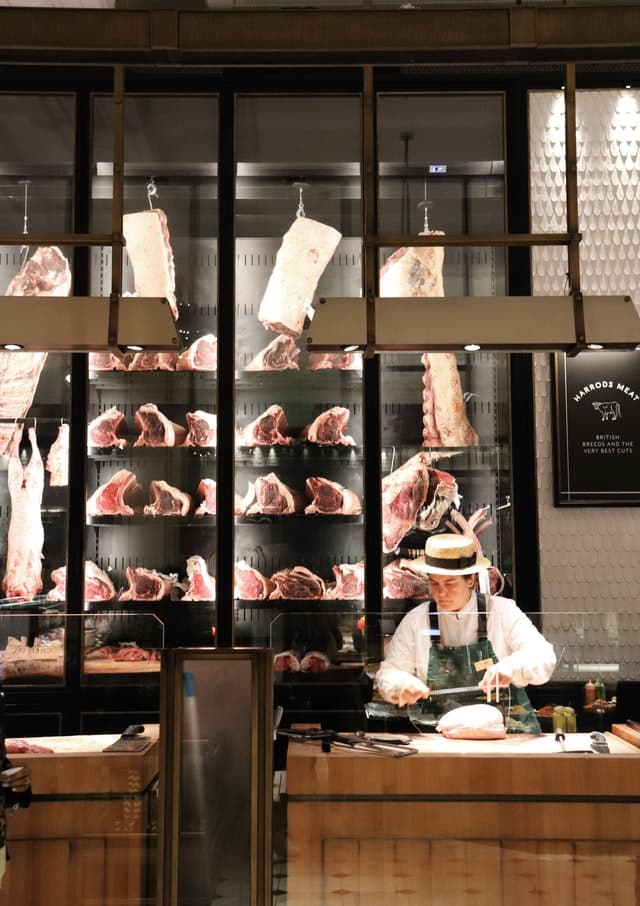
Description of operations: Meat wholesalers receive fresh, frozen, pre-packaged, and canned meat and meat items from foreign or domestic farms, slaughterhouses, or food processors, usually by truck, for distribution to grocery stores, restaurants, concession stands, and other retail establishments. The distribution center may be open 24 hours a day. Generally, the product is delivered to the customer on the distributor’s vehicles.

What Is the Best Meat Wholesalers Insurance Coverage?

1) Property exposure is high due to multiple sources of ignition, open construction, and the combustibility and damageability of meat products and packaging materials. Ignition sources include electrical wiring and equipment, refrigeration units, and heating and air conditioning systems. All wiring must be well maintained and up to code for the occupancy. Meat products are particularly vulnerable to damage by smoke, heat, fire, or water and have very little salvage value. Even a small loss can cause all stock to be condemned by the FDA due to possible contamination. All goods should be palletized or shelved. Aisle space must be adequate for firefighting. The age, condition, and maintenance of coolers and refrigeration equipment are important to review. Ammonia leaks could cause an explosion. There should be detection systems, emergency shut-off valves, and exhaust systems to allow venting in the case of a leak. Ammonia pipes should run outside the building to prevent accidental collision with forklifts inside the building and have impact barriers around them to prevent contact with vehicles. Alarms should be in place to warn of power outage or shutdown. Backup generators should be available in case of equipment failure. Good housekeeping and fire controls are critical. Smoking should be prohibited. If there is a sprinkler system, heads must be located high enough to avoid accidental contact with forklifts. Recharging of forklifts and maintenance of vehicles should be done in a separate, ventilated area away from combustibles. Meat and seafood may be a target for thieves. Appropriate security controls must be taken, including physical barriers to prevent entrance to the premises after hours and an alarm system that reports directly to a central station or the police department.

2) Business income and extra expense exposures are high. Recovering from a loss could require a lengthy time to rebuild the facility and purchase replacement refrigeration equipment.

3) Equipment breakdown exposures are high as temperatures must remain constant. All refrigeration equipment must be inspected and maintained on a regular basis. Back-up generators should be available. Additional coverage for spoilage and ammonia contamination should be considered as even a small power interruption could result in a large loss.

4) Inland marine exposure is from accounts receivable if the distributor offers credit to customers, computers for tracking inventory, contractors’ equipment, goods in transit, and valuable papers and records for suppliers’ and customers’ information. Duplicates must be kept of all data to permit easy replication in the event of a loss. Contractors’ equipment includes forklifts, cherry pickers, and hand trucks used for moving stored items. While goods may come to the warehouse via contract or common carriers or trains, goods are generally delivered to retailers on trucks owned by the distributor. Goods in transit are subject to spoilage loss from the breakdown of refrigeration equipment or damage from collision or overturn. There will be very little salvage following any transit incident due to the possibility of contamination. Due to the potential for theft, vehicles should be unmarked, have alarms, and be attended at all times. Sales representatives may carry sample stock to retailers.

5) Crime exposure is from employee dishonesty. Background checks, including criminal history, should be performed on all employees handling money. Warehouse operations involve a number of transactions and accounts that can be manipulated if duties are not separated. There must be a separation of duties between persons handling deposits and disbursements and reconciling bank statements. Regular audits, both internal and external, are important in order to prevent employee theft of accounts. Good security systems should be in place to discourage employee theft. Physical inventories should be conducted at least annually.

6) Premises liability exposure is generally limited due to the lack of public access to the storage facilities. Customers should be confined to specific areas that are kept clean, dry, and free of obstacles. If customers pick up goods, loading docks must be clearly marked and user-friendly. Parking lots and sidewalks need to be in good repair with snow and ice removed, and generally level and free of exposure to slips and falls. There should be a disaster plan in place for unexpected emergencies. Contracts with transportation and storage providers may expose the operation to additional liability. Railroad sidetrack agreements pose additional concerns. If there is a railroad sidetrack or dock, an employee must verify that no one is in the path of an incoming or outgoing train. Railroad tracks and conveyors can be attractive nuisances. The premises should be enclosed by fencing with “No Trespassing” signs posted.

7) Product exposures are moderate to high because meat products are particularly vulnerable to contamination and spoilage. Monitoring the quality of food received, posting lists of ingredients, and maintaining proper storage temperature can reduce this exposure. Accurate records must be kept of products and batches to monitor for recalls. There should be controls in place to prevent all types of contamination from chemicals used inside the facility, such as insecticides and pesticides Stock should be regularly rotated so older, but not out of date, the stock is sold first, and out of date stock is removed and discarded.

8) Environmental impairment exposure can be high due to the potential for air, land, or water pollution from the leakage of ammonia and other refrigerants and fuel tanks used to service vehicles. All tanks and pipes should be routinely tested for leakage. Spill procedures must be in place to prevent the accidental discharge of contaminants. Contracts should be in place to dispose of all environmentally dangerous chemicals. Record keeping is critical.

9) Automobile exposure is moderate for the salespersons’ fleet and delivery vehicles. There should be written policies on personal and permissive use of any vehicles furnished to employees. All drivers must be well trained and have valid licenses for the type of vehicle being driven. MVRs must be run on a regular basis. Random drug and alcohol testing should be conducted. Vehicles must be well maintained, including refrigeration systems, with records kept in central locations.

10) Workers compensation exposure is very high. Back injuries, hernias, sprains, and strains can result from lifting. Workers should be trained in proper lifting techniques and have conveyances available. Shelving must be stable to prevent stored goods from falling onto workers. Continual standing can result in musculoskeletal disorders of the back, legs, or feet. Floor coverings or coatings may be slick and pose slip and fall hazards. Forklift operators must be properly trained. Leaking ammonia is a serious health hazard that can lead to lung damage or even death. Protective breathing equipment must be available to all workers in the event of an ammonia leak. Housekeeping is critical. To avoid frostbite and hypothermia resulting from exposure to sub-zero temperatures, the length of time spent in refrigerated areas must be limited, and protective clothing required. Employees can pick up diseases from handling raw meat and seafood. Maintaining cleanliness throughout the facility is critical. When work is done on computers, employees are exposed to eyestrain, neck strain, and repetitive motion injuries including carpal tunnel syndrome. Cleaning workers can develop respiratory ailments or contact dermatitis from working with chemicals. Drivers of delivery vehicles may be confronted by robbers, injured in automobile accidents, or be injured at customers’ premises. Training must be provided on dealing with such situations, and any necessary security should be provided.

Workers Comp Rates for Class Code 8021

Definition: Code 8021 is used on NY Workers Compensation policies for Meat, fish, or poultry dealers involved in the wholesale distribution of fresh and cured meat, fish, or poultry. Some of these dealers perfom raw preparation such as cutting the meat, fish, or poultry into steaks, chops, roasts, fillets, or poultry parts for sale to stores, restaurants, supermarkets, and other retail markets.

Who Can Use it? Code 8021 applies to Wholesale Fish Dealers, Meat Dealers and distributors and Poultry Distributors, (Packing and Slaughter Houses cannot use this class code they use 2089)

Materials Involved: Some repackaging of the meat for distribution, Box trucks or Vans, Cold Storage, Under 500-mile distribution of the product

Who’s writing this coverage? Most private carriers as well as State insurance Fund Safety Groups. Businesses engaged in the NY Work Comp 8021 class of business should consider shopping for new rates for their policy every year. For more information on select Insurance products for Class 8012, definitions, and rates for this class, call us.

Minimum recommended coverage:
Business Personal Property, Business Income and Extra Expense, Equipment Breakdown, Accounts Receivable, Computers, Contractors’ Equipment, Goods in Transit, Valuable Papers and Records, Employee Dishonesty, General Liability, Employee Benefits, Environmental Impairment, Umbrella, Business Automobile Liability, and Physical Damage, Hired and Nonownership Auto, Workers Compensation.

Other coverages to consider:
Building, Earthquake, Flood, Leasehold Interest, Real Property Legal Liability, Spoilage, Salesperson’s Samples, Signs, Computer Fraud, Forgery, Money and Securities, Cyber liability, Employment-related Practices, Stop Gap Liability
Workers Comp Rates Class Code 8021 Meat Wholesalers

The post NY Workers Comp Rates for Class Code 8021: Meat, Fish, Poultry Wholesalers appeared first on Enforce Coverage Group.
Thursday, May 28, 2020

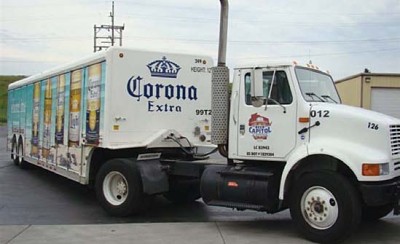
NY Workers’ Compensation Rates for Class Code 7219, Trucking and Transit

Trucking and Transit companies have a unique set of NY workers’ compensation class codes for their industry. This overview provides basic information about workers’ compensation rates for class code 7219 along with other factors that go into operations and potential exposures when insuring these operations.

This post was originally published on July 28, 2011, and updated on May 28, 2020.


Trucking and Transit Workers Comp Categories:

SIC CODE: 4212 Local Trucking Without Storage
4213 Trucking, Except Local
4214 Local Trucking with Storage

NAICS CODE: 484110 General Freight Trucking, Local
484121 General Freight Trucking, Long-Distance, Truckload
484122 General Freight Trucking, Long-Distance, Less than Truckload
484220 Specialized Freight (except Used Goods), Local Trucking
484230 Specialized Freight (except Used Goods), Long-Distance Trucking

Suggested ISO General Liability Code: 99793
Suggested Workers Compensation Codes: 7219, 7228, 7229, 7230, 7231, 7232

NY Workers’ Compensation Rates for Class Code 7219
Description of Operations

Truckers transport cargo from its initial loading and pick up at the shipper’s location to final delivery and unloading at the receiver’s location. The cargo can include raw materials, work in process, and finished goods. The trucker may assist customers in the packing and unpacking of freight. Many trucking companies have warehouse facilities for both temporary and long-term storage of customers’ goods. While some truckers transport freight to the same destinations on a regular basis, others transport single shipments to a specific destination. Trucking may be limited to a geographic area, to domestic destinations, or internationally to Canada and Mexico. The trucking industry is regulated by a number of federal agencies.

Business Insurance for Truckers & Trucking Companies: Potential Exposures

Property Exposure may be limited to electrical, heating, and cooling systems for an office location. If the company repairs, refuels and maintains its own vehicles on-premises, there will be flammable liquids, including gasoline and diesel fuel, and heat-producing activities such as welding. Flammable liquids and heat-producing activities must be separated from combustibles to prevent fire and explosion. All spray-painting should be conducted in a spray booth with explosion-proof fixtures. Poor housekeeping is a serious fire hazard. Unless stored and disposed of properly, oily rags can spontaneously combust and cause a fire. The condition and controls of fuel tanks, whether above or below ground, are important for both property and environmental liability. Fire hazards can arise from the combustibility of items stored for customers. There must be adequate aisle space to allow firefighters to carry out their duties. When another party does the packing, the warehouse will not know the type of property being stored or its potential fire hazards. If the rack storage of crates and boxes is used, there should be sprinklers in the racks. The sprinkler heads must be located high enough to avoid accidental contact with forklifts, but with enough clear space from the racks to allow unobstructed operation in the event of a fire. In order to reduce catastrophic losses, firewalls and fire divisions should separate the storage areas. Good housekeeping and fire controls are critical. Smoking should be prohibited. Forklifts should be refueled in a separate, ventilated area away from combustibles. As stored items are attractive targets for theft, there should be appropriate security including physical barriers to prevent entrance to the premises after hours and an alarm system that reports directly to a central station or the police department.

Business income and extra expense exposures are high as replacement warehouse facilities may not be readily available.

Inland marine exposure is from accounts receivable for billings to customers, computers to track shipments, motor truck cargo for the goods carried for others, and valuable papers and records for licenses and other regulatory information. Customers’ property may be damaged while being transported due to overturn, collision, or theft. Cargo containers should have locks and appropriate alarm systems. Most truckers are subject to minimum cargo legal liability requirements. The bill of lading spells out the terms of the agreement that must be honored. Insurance coverage will vary but may exceed these minimums if customer satisfaction is important to the trucker. Any items being transported or in storage must be marked to prevent incorrect release. Records should be duplicated and be stored off-site. If goods are stored for customers, warehouse operators’ legal liability coverage is needed. Limits needed will depend on the contract between the facility and its customers, but should spell out who is responsible for damage to stored goods.

Crime exposure is from employee dishonesty and from money and securities. Background checks, including criminal history, should be performed on all employees handling money. Trucking operations involve a number of transactions and accounts that can be manipulated. There must be a separation of duties between persons handling deposits, billing, ordering, disbursements, and reconciling bank statements. Regular internal and external audits should be conducted. As drivers, loaders, and unloaders have access to customers’ premises, the exposure to theft of customer property or customer identity theft increases.

Premises liability exposure is extremely low due to limited public access. Cargo containers stored outside may present an attractive nuisance to minors. Fencing and lighting help reduce this exposure. Most off-premises exposures relate directly to truck operations, such as loading and unloading, and are covered under the motor carriers’ liability policy. Contracts may expose the operation to additional liability. The contract should spell out the responsibilities of each.

Environmental impairment exposure can be high due to the storage of fuel and the waste disposal of fluids used for servicing and repairing trucks. All tanks, underground or above, must meet state or federal regulations and be routinely tested for leakage. Spillage and leaking of pollutants into the air, ground, or water can result in high cleanup costs and fines. Spill procedures must be in place to prevent the accidental discharge of sludge from water reclamation systems used in washing trucks. Contracts should be in place to dispose of all environmentally dangerous chemicals. If there are underground storage tanks, a UST policy will be needed.

Automobile exposure is written on motor carriers’ policy. The exposure is very high because it includes loading, unloading, and transporting of freight. Customers and others can be injured should the movers drop or overturn items being carried. Children may be present during loading or unloading operations at residences or schools, requiring additional caution. All drivers must be well trained and attend continuing education courses to maintain and improve skill levels. They must have training in lifting and handling of items being carried and to safely operate trucks under all kinds of conditions, including adverse weather, construction impediments, darkness, and heavy traffic. They must have a valid commercial driver’s license (CDL) for the trucks being driven and the cargo being moved. MVRs must be acceptable and checked regularly. Manipulating a large semi-trailer rig in a residential or commercial area requires training and awareness of surroundings. Driving logs must be maintained, and drivers must not be permitted to exceed regulatory limits on their hours of service. Hands-free two-way communication and GPS systems should be installed on all trucks. Random drug and alcohol testing should be required. Vehicles must be maintained and records should be kept in a central location. Accidents can result in the spillage of diesel fuel or other operating fluids from within the truck, requiring cleanup.

Workers’ compensation exposure is moderate from driving, loading, and unloading customers’ goods, and repair and maintenance activities. Drivers generally work alone, often after dark, and must operate in adverse traffic conditions such as inclement weather or road construction. Ergonomically designed seats can reduce back and leg injuries to drivers who sit in the same position for hours at a time. They must be monitored to ensure that an appropriate amount of time is allocated for sleep. Loading and unloading can result in all forms of back injury, hernia, sprain, and strain losses. The training, material handling devices, and equipment are important to review. Drivers can be injured in collisions. Garage employees can be injured by vehicles falling from hoists, strains, sprains, and other lifting injuries. Good housekeeping is critical to reducing injury from slips, trips, and falls. Burns, eye injuries, and respiratory problems can occur with welding and painting. Dermatitis can result from employees coming into contact with harsh cleaning detergents. Repair areas should be properly ventilated. Proper safety equipment is required. If independent owner-operators are used, responsibility for workers’ compensation coverage must be specified by contract.

NY Workers’ Compensation Rates for Class Code 7219 Trucking – NOC

Truckers classified under 7219 received a rate increase of 13% in 2011 on their NY State Workers Comp policies. Subsequent coverage years since that time have seen both increases and decreases. Because rates potentially change each year, it’s important to stay up-to-date with the latest pricing. See our NY workers comp insurance rates for truckers here: https://www.enforcecoveragegroup.com/click-your-industry-for-access-to-immediate-rates/new-york-workers-comp-rates-trucking/.

Definition: Applied to Truck companies that haul general merchandise under contract for others.

Who Can Use it: In NY State,  Class Code 7219 is used by long and short-haul truckers that transport products, merchandise, automobiles, freight, and aggregate such as sand and gravel owned by others. Trucks can be tractor-trailers or dump trucks.  NY State Workers Compensation regulations define 7219 as an all-inclusive class code meaning everyone in the operation other than clerical and executives must fall under 7219. Several other specialty transportation companies may apply and you should call Enforce Coverage to determine if you are classed properly.

Pricing: The rate for class code 7219 has been on a steady climb for the last several years. Usually, in the 10-14 dollar rate category, it is one of the more expensive.  Truckers with a clean loss record and safety program can yield better than average rates.

Who’s Writing Workers Comp Coverage for Truckers: NY Workers’ Compensation Rates for Class Code 7219

Truckers who feel that the State fund is their only option should contact us today to discuss specialty programs and carriers

Minimum recommended coverage:

Building, Business Personal Property, Business Income, and Extra Expense, Accounts Receivables, Computers, Motor Truck Cargo, Valuable Papers and Records, Employee Dishonesty, Money and Securities, General Liability, Employee Benefits, Umbrella, Motor Carriers Liability, and Physical Damage, Hired and Nonownership Auto, Workers Compensation

Other coverages to consider:

Earthquake, Flood, Mobile Equipment, Signs, Warehouse Operators’ Legal Liability, Cyber liability, Employment-related Practices, Environmental Impairment, Underground Storage Tank, Stop Gap Liability, International Coverages

New York truck insurance


The post NY Workers’ Compensation Rates for Class Code 7219, Trucking and Transit appeared first on Enforce Coverage Group.
Tuesday, May 26, 2020

Chiropractor Office Workers Compensation Rates & Coverage

There are numerous factors to consider when purchasing a workers’ compensation insurance policy for Chiropractor Offices (Class Code 8832). Enforce Coverage Group specializes in Workers Comp Insurance in the New York area including New Jersey, Connecticut, and Pennsylvania. If you are looking to buy a new policy, call Pat Ryder or Pat Scanlon at 212-947-4298.

Chiropractor Office Workers Compensation Rates & Coverage: Class Code 8832

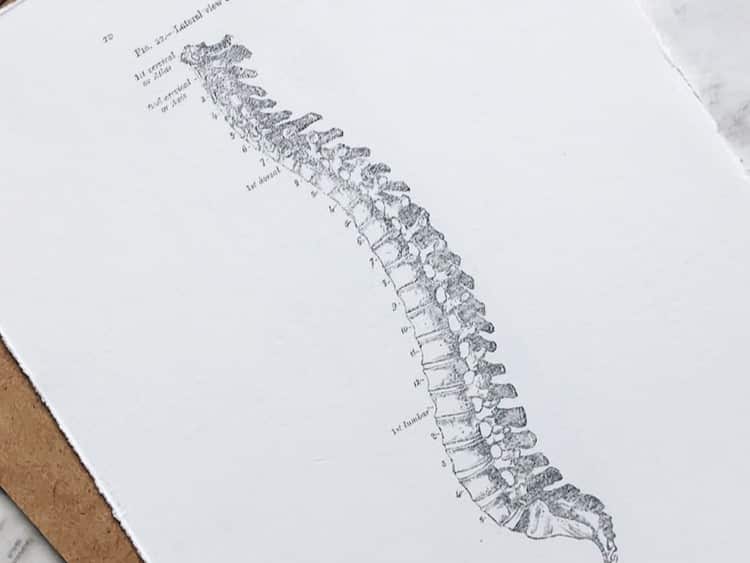
Description of operations: Chiropractors treat neuromuscular medical conditions by manipulating the patient’s spine, either manually or with mechanical equipment. Chiropractic treatment is a form of alternative medicine that uses a holistic approach to managing a patient’s overall health by focusing on the musculoskeletal system. Corrections to problems in the muscles, joints, or bones can resolve many health issues. Straight chiropractic does not offer diagnostic services beyond spinal manipulation. Mixed chiropractic clinics add diagnosis and homeopathic products to their treatment options. Some patients view the chiropractor as a substitute for a primary care physician. Chiropractors are required to be licensed in each state.

Property exposure to fire and crime is very light. Ignition sources include electrical wiring, heating, and air conditioning systems, and overheating of equipment. All electrical wiring must be up to code and equipment properly maintained. Most property items are better covered with physicians and surgeons inland marine floater. The business income and extra expense exposure is very low as operations can be quickly resumed at an alternate location.

Crime exposure is from employee dishonesty of both money and inventory. The potential for theft, directly or by means of identity theft, is great. Background checks should be conducted on all employees handling money. All ordering, billing, and disbursement must be handled by separate individuals. Monitoring must be constant.

Inland marine exposure includes accounts receivable if the chiropractor bills for services, computers, physicians and surgeons equipment floater items (which can include all office furnishings), and valuable papers and records for patients’ information. Duplicates of all records and programs should be kept off-site.

Premises liability exposure is moderate due to patients’ access to the premises. To prevent slips, trips, or falls, all areas accessible to patients must be well maintained with floor covering in good condition. The number of exits must be sufficient, and be well marked, with backup lighting in case of power failure. Steps should have handrails, be illuminated, marked, and in good repair. Parking lots should be maintained free of ice and snow. Maintaining a patient’s privacy is critical. Examination rooms, check-in and checkout stations must be in private areas so one patient cannot view information or overhear conversations regarding another patient’s’ confidential information

Product liability exposure may include the sales of ointments, herbal treatments, and nutritional programs. If the chiropractor has developed his or her own products, the exposure increases to that of a manufacturer.

Professional exposures are high. The exposure increases if the provider fails to conduct thorough background checks to verify employees’ credentials, education, and licensing. The more types of procedures that are performed, the greater the chance of injuring a patient. Because electrical impulse machines are used in treatment, care must be made to prevent high dosage or over-usage. X-ray machines should be safeguarded to prevent overexposure to the client and others. While the straight chiropractor primarily handles spinal manipulation, the mixed chiropractor may become involved with diagnosis and unique treatments involving herbal remedies and other therapies. Investigations should be made into the types of treatments and other services offered. Finally, inappropriate touching and sexual misconduct must be considered.

Workers’ compensation exposure comes from contact with patients and from possible transmission of disease from a patient. Gloves and masks should be worn at all times when working around bodily fluids. Employees should have access to vaccinations to prevent diseases. Unruly or unpredictable patients can cause harm including strains, back injuries, and contusions. Because of the physical manipulation of the patient’s body, arm, and back injuries are common and the chiropractor can be accidentally struck by a patient. Training and safety equipment should be in place to prevent exposure to radiation when performing X-rays. Since patient information and billings are done on computers, potential injuries include eyestrain, neck strain, carpal tunnel syndrome, and similar cumulative trauma injuries that can be addressed through ergonomically designed workstations.

chiropractor office workers compensation

About Enforce Coverage Group Workers Compensation Insurance for Chiropractors

Enforce Coverage Group is located at One Pennsylvania Plaza in New York City with offices in Long Island NY and Fairfield County Connecticut. We provide chiropractor office workers compensation insurance and other business lines necessary to protect chiropractic businesses.

The post Chiropractor Office Workers Compensation Rates & Coverage appeared first on Enforce Coverage Group.