This post was originally published on July 21, 2011, and updated on June 12, 2020.
Class Code 5462 Workers Comp for Glaziers
- Definition: Glaziers Rate Code 5462 applies to glass merchants employees engaged in the delivery and installation of plate glass windows, storefronts replacement of glass, or mirrors away from glass merchant shop.
- Pricing: Code 5462 Glazier – Away from Shop & Drivers has seen a steep increase this year of 34.5% (2011)
- Who’s Writing this Coverage: Most NYS Glaziers think the NY State Insurance Fund is their only option, however a few specialty carriers will writer WC Code 5462 if the business has a favorable loss history.
- Who Can Use It: NY Glazier contractors involved in installation or NY Workers Compensation Rates, Code 8232 Building Materials
Workers Comp Code 5462 also encompasses the installation or replacement of window glass in houses and commercial buildings (regardless of height).
Contact Us For New Rates on workers comp for glaziers and glass contractors at 212-947-4298.
——————
GLAZIERS
Category: Service Businesses
SIC CODE: 1793 Glass and Glazing Work
NAICS CODE: 238150 Glass and Glazing Contractors
Suggested ISO General Liability Code: 13590
Suggested Workers Compensation Code: 5462
Description of operations
Glaziers install and repair plate glass, glass block, and related products, such as mirror and Plexiglas. Their primary work is on exterior glass, but they may also install and repair interior plates and mirrors. They frequently offer repair and replacement services. They also may be involved in art or stained glass manufacture or restoration, lead glass manufacture, or glass blowing operations.
Typically, the glazier measures the window openings, obtains the materials from a supplier, and returns to complete the installation. Plate glass must be cut to size and the edge sanded, fitted into the frame, secured with glazier’s points (small metal clips), and sealed with an adhesive. Specialty glass, such as insulated or security glass, must be ordered to size since it normally cannot be cut.
Types of Business Insurance for Glaziers
Property exposures consist of office operation and material, equipment, and vehicle storage. Combustibles include the packing and wrapping materials used to package and protect the glass. Ignition sources include electric wiring and equipment, welding operations (if cutting and welding are done on-premises), and chemicals and flammables used to cut, polish, laminate, tint, or bend the glass. These operations should be conducted separately from storage areas.
Crime exposure is primarily from employee dishonesty and theft of money and securities. Lack of control over pre-employment background screening and separation of duties increases the exposure.
Inland marine exposure is from accounts receivable, contractors’ tools, goods in transit, and valuable papers and records. Glass plate is highly susceptible to breakage, scratching and marring. Drivers must be trained in proper loading and tie-down of the glass since any loss is likely to be a total loss. Contractors’ tools, including employees’ tools, are generally specialized for glass cutting and installation.
Premises liability exposures are limited due to a lack of public access to the premises. Off-premises exposures at the job site can result in bodily injury to customers, passersby, and employees of other contractors or property damage to property of others, especially if the glass is installed above ground level. Hazards include falling tools, glass, or other items.
Products liability exposure may result from faulty installation or faulty fabrication of the glass. The severity potential increases with the height of the exterior installation.
Automobile exposures are high due to the pickup and delivery of glass and large plates. The transport vehicle is of an unusual design so training in the handling of the vehicle is important. Any emergency repair services offered may result in time pressures, as well as travel in unfamiliar areas. Age, training, experience, and records of the drivers, as well as age, condition, and maintenance of the vehicles, are all important items to consider.
Workers comp for Glaziers exposures arise most often from cuts, which can happen throughout the entire glazing process. Burns and welding exposures may also occur while cutting glass. Installation exposures are light for interior work, although strains and even repetitive motion injuries are possible. With work at heights, the hazards can be severe. Any time work is done on ladders and scaffolds, there is a potential for injury from falling or being struck by falling objects. Back injury, hernia, and other lifting losses may result. Eye injuries and exposure to dust and chips during cutting are common. Experience, training, and use of protective equipment are all items to evaluate.
Minimum recommended insurance coverage for Glaziers
Business Personal Property, Employee Dishonesty, Money and Securities, Accounts Receivable, Contractors’ Tools and Equipment, Goods in Transit, Valuable Papers and Records, General Liability, Employee Benefits Liability, Umbrella Liability, Automobile Liability and Physical Damage, Hired and Nonownership Auto Liability, Workers Compensation.
Other coverages to consider:
Employment-related Practices Liability, Stop Gap Liability
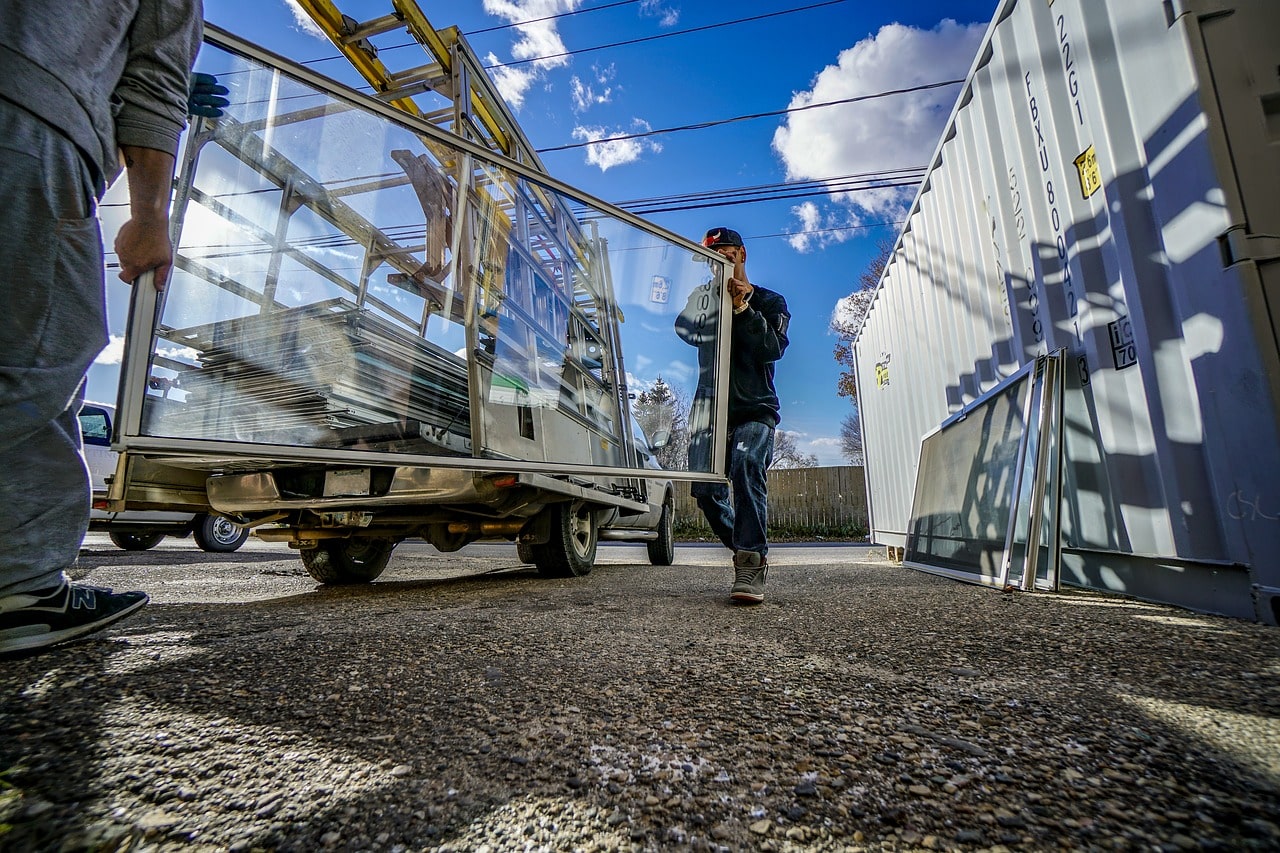
workers comp for glaziers NY
The post Class Code 5462 Workers Comp for Glaziers appeared first on Enforce Coverage Group.

Solar installer workers' comp is crucial for protecting businesses and crews during high-risk renewable energy projects. From roof falls to electrical hazards and heat strain, solar installation carries unique workplace risks. A tailored workers' compensation policy covers essential medical treatment, rehabilitation, and lost wages for injured employees. Securing specialized coverage ensures strict compliance with state mandates, protects your business from costly lawsuits, and demonstrates a clear commitment to your team's safety, allowing your solar business to grow sustainably.
ReplyDeleteSolar installer workers' compensation is specialized insurance designed to protect solar contractors and their employees. It covers medical bills, lost wages, and disability benefits for crew members injured on the job.
ReplyDeleteBecause the role involves high-risk tasks—such as working at heights on steep roofs, handling heavy photovoltaic equipment, and working with high-voltage electrical wiring—it carries a distinct risk profile. Having proper coverage shields solar businesses from costly injury lawsuits while ensuring technicians receive proper care and financial support during their recovery.
Solar installer workers' compensation insurance covers medical expenses and lost wages for employees injured on the job. Given the high-risk nature of roof work, electrical hazards, and heavy lifting, this coverage is essential. It protects both the worker and the employer from financial ruin due to accidents. Policies typically include employer’s liability insurance for legal defense. Premiums are based on payroll and claim history, with safety protocols and training crucial for reducing incidents and controlling costs in this physically demanding field.
ReplyDeleteSolar installer workers' compensation covers injuries from falls, electrical shocks, burns, and heat stress. It provides medical care, wage replacement, and disability benefits for workplace accidents. Proper classification is critical, as roof-mounted and ground-mounted installations carry different risk levels. Carriers often require safety programs, fall protection, and lift equipment training. Claims may involve repetitive motion injuries or equipment handling incidents. Premiums reflect payroll, experience mods, and state regulations. Accurate reporting ensures compliance and prevents coverage gaps. A strong safety culture reduces claims and keeps crews protected on every job site.
ReplyDeleteSolar installer workers comp provides essential financial and legal protection for renewable energy businesses and rooftop technicians facing daily hazards on the job. Working at dangerous heights, handling heavy panels, and operating around high-voltage electrical components expose installation crews to risks like falls, strains, and severe electrical shocks.
ReplyDeleteA tailored solar installer workers comp policy covers medical bills, rehabilitation costs, and lost wages for injured employees. It also protects your company from costly workplace injury lawsuits while ensuring full compliance with state insurance requirements.
Solar installer workers compensation covers injuries from falls, electrical shocks, burns, and heavy lifting. It provides medical care, wage replacement, and disability benefits for on-the-job accidents. Policies also protect against repetitive strain and heat illness. Coverage is essential due to rooftop and ladder risks. It safeguards both employees and employers from financial loss.
ReplyDeleteSolar installers face high-risk exposures—working at dangerous heights, handling heavy panels, and navigating electrical hazards. Workers' comp covers medical expenses, lost wages, and disability for injuries like falls, burns, or strains. Premiums depend on payroll, accident history, and proper classification codes (such as 6603 or 6319). Critical safety measures include fall protection, ladder safety, and electrical training. Properly classifying workers, carrying subrogation rights, and verifying subcontractor coverage are vital to controlling claims costs and ensuring compliance while safeguarding both rooftop crews and your bottom line.
ReplyDeleteSolar installers face unique hazards—roof falls, electrical shocks, heavy lifting, and severe burns from hot equipment. Workers' comp for these roles must cover emergency medical care, rehabilitation, and lost wages due to injuries. Policies should include strict safety protocols, mandatory harness use, and arc-flash training to lower risks. Because the work is physically demanding, coverage often extends to repetitive stress injuries. A comprehensive comp plan protects both the employee's livelihood and the company's financial stability, ensuring rapid response to accidents while reinforcing a strong safety culture on every installation site.
ReplyDeleteSolar installer workers' compensation insurance covers medical expenses and lost wages for employees injured on the job. Common claims include falls from roofs, electrical shocks, heatstroke, and strains from lifting heavy panels. Policies typically include employer's liability protection. Premiums are influenced by payroll, claim history, and state regulations. With the inherent risks of rooftop work and equipment handling, this coverage is essential for protecting both your workforce and your business from financial losses due to workplace accidents.
ReplyDeleteSolar Installer Workers' Compensation Insurance provides essential financial protection for businesses and employees in the solar installation industry.
ReplyDeleteGiven the high-risk nature of the work—which involves working at heights, handling heavy rooftop equipment, and managing high-voltage electrical wiring—installers face significant risks of falls, electrical shocks, and repetitive strain injuries.
Workers' comp covers medical expenses, lost wages, rehabilitation costs, and disability benefits for workers injured on the job. Securing adequate coverage protects solar contracting businesses from costly personal injury lawsuits while maintaining compliance with state legal mandates.
Solar Installer workers comp (workers' compensation) provides vital financial protection for solar businesses and their technicians. Installation involves high-risk hazards like working on elevated rooftops, handling heavy electrical equipment, and exposure to high-voltage currents.
ReplyDeleteIf an employee suffers a job-related injury or illness—such as a fall, electrical burn, or heat exhaustion—Solar Installer workers comp covers medical expenses, lost wages, vocational rehabilitation, and disability benefits. Having this policy ensures legal compliance with state regulations, shields employers from costly injury lawsuits, and supports a safer, more resilient workforce on every installation site.
Solar installer workers’ compensation insurance provides specialized financial coverage for employees installing, maintaining, and wiring solar power systems. Because solar work blends high-risk trades—combining heavy lifting, rooftop navigation, high-voltage electrical wiring, and extreme outdoor weather exposure—installers face significant hazards like falls, electrical burns, arc flashes, and heat illness.
ReplyDeleteThis coverage pays for medical treatment, rehabilitation, and lost wage replacement following job-site injuries. Premium rates are calculated using specific classification codes (such as roofing or electrical) based on crew responsibilities, ensuring state compliance while protecting solar contractors from costly liability lawsuits.
Solar installers face high-risk working environments involving steep roof heights, high-voltage electrical systems, and heavy panel transport. When relying on temporary or contract labor to meet project demands, securing comprehensive workers compensation for staffing agencies becomes essential.
ReplyDeleteProper coverage protects both temporary workers and your business by handling medical expenses, lost wages, and disability claims resulting from on-site injuries. Tailored insurance solutions mitigate liability risks, ensure state compliance, and maintain uninterrupted installation workflows for temporary staffing operations.
Solar installer workers comp provides essential protection for employees working in the solar energy industry. Installation crews often face risks such as falls, electrical hazards, lifting injuries, and equipment-related accidents. Workers compensation coverage can help pay for eligible medical expenses, rehabilitation, and lost wages when employees are injured on the job. For solar installation businesses, having the right workers comp policy can support compliance with state requirements while helping manage workplace injury costs. Coverage needs can vary based on payroll, job duties, location, company size, and overall risk exposure.
ReplyDeleteSolar Installer Workers' Compensation Insurance provides vital coverage for businesses in the renewable energy sector. Because solar technicians face unique workplace hazards—including steep rooftop falls, high-voltage electrical shocks, extreme heat exposure, and severe manual lifting injuries—workers' comp is crucial for shielding contractors from catastrophic financial liability.
ReplyDeleteThis policy covers necessary medical treatment, lost wages, vocational rehabilitation, and disability benefits for injured crew members. Maintaining proper coverage ensures full state compliance, shields your business from costly employee lawsuits, and secures the exact classification codes (e.g., roofing or electrical trade codes) required to keep your installation business operating legally.
Solar installer workers' compensation insurance provides essential financial and medical coverage for employees injured on the job. Because solar installation involves high-risk tasks like working at elevated heights on roofs, handling heavy photovoltaic panels, and performing electrical wiring, workers' comp protects both the business and its crew.
ReplyDeleteIt typically covers:
Medical expenses for injuries or illnesses.
A portion of lost wages during recovery.
Rehabilitation costs and disability benefits.
Employer liability protection against lawsuits related to workplace accidents.
Solar Installer workers comp is a specialized insurance coverage designed for renewable energy contractors and mounting crews. Because solar installation involves high-risk tasks such as working at elevated heights on rooftops, handling heavy electrical components, and operating specialized tools, on-site injuries can happen.
ReplyDeleteThis policy protects both field technicians and business owners by covering critical medical expenses, rehabilitation costs, and partial wage replacements if an employee gets hurt on the job. Furthermore, having active coverage ensures regulatory compliance and shields solar contracting companies from expensive workplace injury lawsuits.
Solar installer workers' compensation insurance protects roofing and electrical technicians against high-risk job injuries like falls or shocks. It covers medical bills and lost wages while shielding businesses from costly liability claims, ensuring safety and legal compliance in a hazardous industry.
ReplyDeleteSolar installer workers' compensation insurance provides crucial financial protection for businesses operating in the renewable energy sector. Because solar installation involves high-risk tasks—such as working at elevated heights on roofs, heavy lifting, and handling electrical wiring—injuries can happen.
ReplyDeleteThis specialized policy covers medical expenses, rehabilitation costs, and a portion of lost wages if an employee is hurt on the job. It also shields employers from potential employee lawsuits related to workplace accidents, ensuring legal compliance and safeguarding the financial stability of the contracting business.