Wednesday, May 13, 2020

Petroleum Wholesalers Workers Comp Insurance Rate Guide for Class Code 8350

The following guide applies to businesses in petroleum wholesale distribution of Butane Gas, Crude Oil, Fuel Oil, Gas, Kerosene, and Lubricating Oils.

Enforce Coverage Group specializes in Workers Comp Insurance in Pennsylvania, New Jersey, New York, and Connecticut. If your business is in the market to purchase a new policy or just need a current rate or quote, call us at 212-947-4298.

Petroleum Wholesalers Workers Comp Insurance Rate Guide for Class Code 8350

Description of operations: Petroleum wholesalers receive petroleum products such as gasoline, diesel, fuel oil, and motor oil from refineries for distribution to retailers. The product may come by railroad tanker, car or truck, and can be delivered in bulk or packaged into containers. Bulk storage stations include tank fields with underground pipelines. The distribution center may be open 24 hours a day. Some wholesalers also own retail gasoline stations or convenience stores.

Property exposures – High. The gasoline distributor normally has extensive bulk storage. Gasoline emits highly flammable fumes that must be controlled to prevent explosions. While underground tanks are the least prone to explosion, many tanks are above ground for environmental reasons. Filling and dispensing fuel from the tanks can cause static electricity buildup that can lead to an explosion unless the tanks are properly bonded and grounded. Petroleum products in containers for sale are less volatile as long as the containers are kept sealed and the temperature-controlled. Leak detection systems should be in place for tanks and other containers. Greasy rags and equipment used to clean up spills could contribute to spontaneous combustion. There should be no smoking. Since electronic equipment and wiring can spark, it should be in conduit and maintained in excellent condition. Due to the high demand and cost of fuel, theft can be a problem. Alarms, guards, fencing and other security precautions must be in place as appropriate to the location.

Business Income, Extra Expense Exposure – High due to the lengthy time needed to rebuild the facility and install replacement tanks and equipment.

Crime Exposures are mainly from employee dishonesty. This operation involves a number of transactions and accounts that can be manipulated if duties are not separated. Background checks, including criminal history, should be performed on all employees handling money. Regular audits, both internal and external, are important in order to prevent employee theft of accounts. Most petroleum wholesalers use card lock systems for monitoring purposes and to eliminate the need for drivers to carry cash. Physical inventories should be conducted at least annually.

Inland marine exposures are from accounts receivable if the distributor offers credit to customers, computers for tracking inventory, contractors’ equipment, goods in transit, and valuable papers and records for manufacturers’ and customers’ records. Duplicates must be kept of all data to permit easy replication in the event of a loss. Contractors’ equipment includes forklifts and hand trucks used to access and move stored items. Goods in transit are subject to loss from collision or overturn, either of which could trigger an explosion if the transported goods are flammable.

Premises liability exposures are limited due to the lack of public access to the storage facilities. Contracts with transportation and storage providers may expose the operation to additional liability. Railroad sidetrack agreements pose additional concerns. If there is a railroad sidetrack or dock, an employee must verify that no one is in the path of an incoming or outgoing train. Tanks, railroad tracks, and conveyors can be attractive nuisances. The premises should be enclosed by fencing and other security to prevent vandals from entering the premises. “No Trespassing” signs should be posted.

Completed operations liability exposures are mainly due to misdelivery. The wrong fuel placed in a customer’s tank has consequences ranging from inconvenience to tragedy as incorrect gasoline pumped into an airplane fuel tank will cause the plane to crash. The insured must have controls in place to monitor the fuels received from the refinery and delivered to customers.

Environmental impairment exposures are significant due to the possibility of tank leakage which can contaminate air, ground, or water. All tanks must meet EPA standards that include regular inspections and monitoring. Truck collisions and overturns can result in off-site environmental contamination. Drivers must be trained in and capable of performing needed and appropriate cleanup operations.

Automobile exposures come from the delivery vehicles, which are large and awkward, and must be navigated over highways, rural winding roads, and congested city streets. Drivers must be trained in appropriate handling methods. Multiple deliveries may be made during a single shift. Tankers often have compartments so that many different types of fuel can be loaded onto a single-vehicle. Drivers are responsible for loading and unloading the correct fuel into the tankers and at the customer’s premises. MVRs must be run on a regular basis. Random drug and alcohol testing should be conducted. Vehicles must be well maintained, with records kept in central locations.

About Enforce Coverage Group – Workers Compensation Insurance Specialists

Enforce Coverage Group is Located at One Penn Plaza NYC with offices in Wilton CT and Huntington NY. As Petroleum Wholesalers Workers Comp Insurance Agents, we have the knowledge and relationships with carriers to provide your company with the most comprehensive and appropriate coverage at the most cost-effective price.

Petroleum Wholesalers Workers Comp Insurance

The post Petroleum Wholesalers Workers Comp Insurance Rate Guide for Class Code 8350 appeared first on Enforce Coverage Group.


Monday, May 11, 2020

Workers Comp for Audio & Visual Equipment Manufacturing Class Code 3681

The following information provides a guide to the considerations for audio and video manufacturing workers’ compensation insurance policies in New York, New Jersey, Connecticut, and Pennsylvania. Enforce Coverage Group is a worker’s comp insurance agency with offices in New York City, Huntington, Long Island, and Fairfield County, Connecticut.

If you are looking to buy a new policy or need a free policy evaluation, contact us for a quote and pricing at (212) 947-4298


NYC Workers Comp for Audio & Visual Equipment Manufacturing – Class Code 3681 & 4112

Description of operations: The manufacture of audio and video equipment involves a variety of operations and exposures. The equipment’s box or cabinet may be plastic, wood, or metal. Each has its own set of exposures. The interior contains electrical or electronic circuitry; each entails another set of exposures.

Property exposures are often well controlled because of the requirement of a sterile environment due to circuitry, it is important that all processes be isolated in order to prevent contamination. Flammable liquids may be used as degreasers, and other flammables may involve paints or solvents. If a spray-painting operation exists, adequate protection and an approved booth are necessary. Theft is a major concern due to the attractive nature of the products and the easy resale.

Premises liability is light because premises are controlled due to the product sensitivity.

Product liability is low except for the products that are for personal use. Clear warning labels and advice for proper use are necessary.
Environmental impairment relates directly to the processes used. Vapors, fumes, and air pollutants, as well as wastewater and disposal of by-products, are concerns that must be evaluated and controlled.

Automobile liability will vary based on whether there is the transport of products and if there is regular travel by the salespeople. If there is a fleet of vehicles, maintenance and driver control are mandatory.

Workers compensation can be moderate to high, and again depends on the processes and products manufactured. Much of the exposure is machinery-related; therefore, safety, training, and guarding are important items to evaluate. So, too, are the chemical exposures, that could result in skin and eye irritations, as well as respiratory problems. “Per-piece” payment and bonuses are common in these operations. While these do provide production incentives, they also provide disincentives to safety. Monitoring must be more vigilant to prevent the removal of safety devices.

Minimum recommended coverage:

Building, Business Personal Property, Business Income, Accounts Receivable, Computers, Goods in Transit, Employee Dishonesty, General Liability, Employee Benefits, Environmental Impairment, Umbrella insurance, Hired, and Nonownership Auto, Workers Compensation.

Other coverages to consider:

Business Auto Liability and Physical Damage, Employment Related Practices

About Enforce Coverage Group

Enforce Coverage Group specializes in Workers Comp for Audio & Visual Equipment Manufacturing. If you have an audio and video manufacturing business, contact us to discuss the current liabilities, rates, and a custom insurance quote for your business.

Workers comp insurance for audio & visual equipment manufacturing

The post Workers Comp for Audio & Visual Equipment Manufacturing Class Code 3681 appeared first on Enforce Coverage Group.
Thursday, May 7, 2020

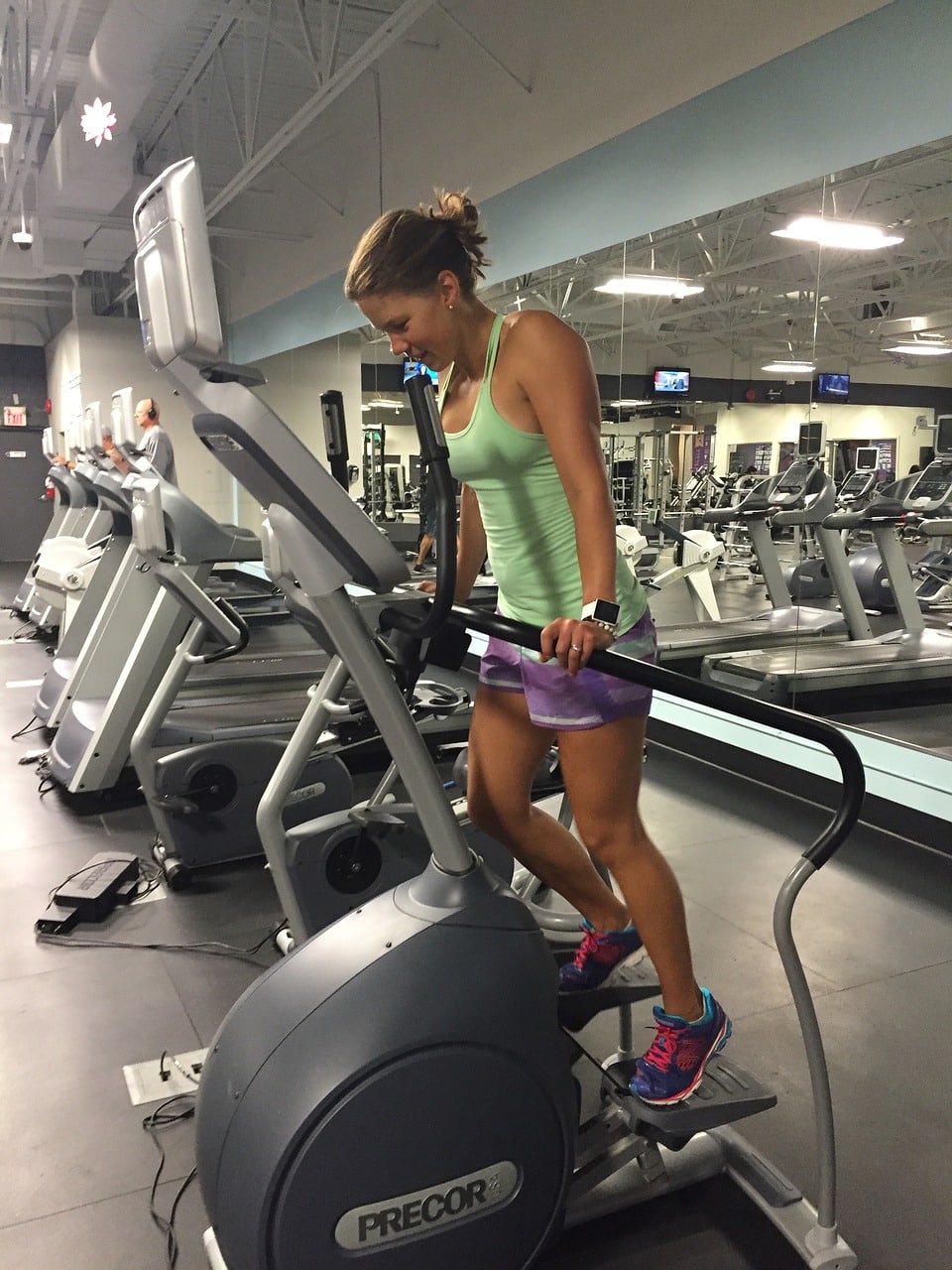
Workers Comp Insurance for Exercise Equipment Manufacturing Class Code 4902 Guide

The cost and rates for Workers Comp Insurance for exercise equipment manufacturing companies (class code 4902) vary and are subject to numerous factors. The following information is a guide to getting the best business and workers compensation insurance for your company.

Workers Comp Insurance for Exercise Equipment Manufacturing

Description of operations: Exercise equipment manufacturing is growing, with new products entering the market every year. The equipment can be quite simple or extremely elaborate. Devices are manually operated or may use electricity. A variety of components are involved in each piece of equipment. Wood, plastic, or metal are used in the manufacture.

Property exposures include dust from plastics, metals, and wood. Welding and soldering are two of the heat-producing activates. Spray-painting produces a major combustion situation. Varnishes and other flammable liquids add to the overall fire load, along with the plastics that are used to protect the exteriors. Careful separation of exposures plus containment and isolation of combustion and heat-producing activates can help control the fire load. Some equipment has electronic circuitry which will be damaged with any smoke or other contamination; therefore, storage of finished products must be at a distance from any product in order to prevent contamination.

Premises liability exposure is light because visitors would not be encouraged. If there is an outlet operation, the exposure will increase to that of a retail operation.

Product liability exposure varies with the type of device used. Any weights pose an extremely high risk of injury. Devices that are automated can overheat or malfunction to the detriment of the user. Resistance devices pose less harm because once the person stops offering resistance, the device ceases to operate. Evaluation should be made as to harm caused by a malfunction. Devices must carry warning labels and instruction information. Videos showing proper use are also helpful.

Environmental impairment can be light to high, again depending on the materials and processes used.

Automobile exposure may be light to moderate. Transport of finished goods is normally not a high concern; goods often are shipped or contracted to outside sources. If the manufacturer is responsible for delivery, further evaluation is needed. Additional automobile exposure may arise if a fleet of vehicles is used for sales. Training and prior record of drivers, as well as the condition and maintenance of vehicles, are the main items to consider.

Minimum recommended coverage:
The building, Business Personal Property, Business Income, Accounts Receivable, Computers, Goods in Transit, Employee Dishonesty, General Liability, Employee Benefits, Environmental Impairment, Umbrella, Hired and Nonownership Auto, Workers Compensation.

About Enforce Coverage Workers Comp Insurance Experts

We specialize in Workers Compensation Insurance for businesses in Connecticut, New York, New Jersey, and Pennsylvania. Contact us to discuss policy costs for your manufacturing business.


Workers Comp Insurance for Exercise Equipment Manufacturing

The post Workers Comp Insurance for Exercise Equipment Manufacturing Class Code 4902 Guide appeared first on Enforce Coverage Group.
Tuesday, May 5, 2020

Workers Comp for Pharmaceutical Companies – Class Codes 4825 & 4611

The cost of workers comp for pharmaceutical companies, the insurance and rates, vary depending on various factors. Enforce Coverage Group specializes in business insurance for the manufacturing industry. Contact us directly for more information about the costs of workers’ compensation insurance for pharmaceutical manufacturers if you are considering buying a new policy or would like to compare rates with your existing carrier.

Workers Comp for Pharmaceutical Companies

Description of operations: Pharmaceutical manufacturing begins with a variety of raw materials, which may be organic, chemical or synthetic, that are then combined, mixed, and blended in proper proportions to produce an end product. Some may need to be heated in the process; others will not. The end product may be cream, jelly, powdered, capsules, liquid, or suppository, to name a few. Each process is different and has different characteristics, but the primary concerns are cleanliness, purity, and the proper mix of ingredients.

Property exposure depends upon the raw materials and ingredients. Because many of the mixing operations are automated, machinery exposure exists. Machines must be cleaned and maintained on a regular basis. Flammables must be separated and properly stored in adequate approved containers. The Damageability of the product is a major concern. Due to sterile conditions, any fire can result in a total loss. Separation of the final product from the processing operation can prevent the total loss potential.

Premises liability is normally low to moderate. Access to visitors is usually limited and controlled, due to the need for cleanliness.

Products liability is very high and, again, purity, cleanliness, and proper mixture of ingredients is critical. Any exposure to contaminants could result in severe losses. Quality control is of the utmost concern, as is compliance with all government regulations and controls.

Environmental impairment is also very high, and every aspect of air, noise, water, and waste treatment must be reviewed and evaluated.

Automobile exposure is very high if the manufacturer has its own tanker trucks for pickup of raw materials and does its own transport. The drivers should have HazMat licenses and their driving records should be checked on a regular basis. Of equal importance is the condition and maintenance of the vehicles, especially tankers. All maintenance must be documented.

Workers’ compensation exposure is machinery-related, so safety, training, and guarding are important items to evaluate. So, too, are the chemical exposures that result in skin and eye irritations, as well as respiratory problems. Workers must be made aware of the potential side effects of the chemicals they work with in order to assess any symptoms they may have.

Minimum Workers Comp Insurance Recommended Coverage for Pharmaceutical Manufacturing Coverage:

The minimum worker’s comp insurance policies should include the following: Building, Business Personal Property, Business Income, Accounts Receivable, Computers, Goods in Transit, Employee Dishonesty, General Liability, Employee Benefits, Environmental Impairment, Umbrella, Hired and Nonownership Auto, Workers Compensation.

About Enforce Coverage Group

We are located in NYC and 1 Penn Plaza with offices in Connecticut and Long Island. We provide workers compensation insurance services to companies in New York City and New York State, Connecticut, New Jersey, and Pennsylvania.

The post Workers Comp for Pharmaceutical Companies – Class Codes 4825 & 4611 appeared first on Enforce Coverage Group.

Monday, May 4, 2020

Errors and Omissions Insurance for Contractors

Errors and omissions insurance for contractors NYCErrors and Omissions Insurance for Contractors: Were you aware your company needed this vital coverage? 

Almost every contractor carries some form of general liability coverage. While these policies can provide much-needed protection for bodily injury and property damage claims that occur as the result of a contractor’s work, they typically don’t account for all forms of negligence.

That’s where errors and omissions insurance for general contractors (E & O) comes into play. This Coverage Insights provides a brief overview of Errors & Omissions insurance and outlines why it is a critical component to a contractor’s overall risk management program.

Why Errors and Omissions Insurance for Contractors?

General liability policies aren’t adequate enough to protect against errors and omissions claims, necessitating standalone coverage. In fact, most general liability policies exclude your work, your products, and impaired property, creating significant insurance gaps.

Making E&O insurance even more crucial, general contractors are particularly vulnerable to claims of negligence following unintentional damage to an insured party, impairment of property, damage to products, or similar incidents that can occur without warning during a construction project. Even simple complaints have the potential to escalate into costly legal disputes.

What’s more, courts often rule against contractors in claims related to errors and omissions, and without the proper protection, general contractors would have to cover the damages out of pocket.

E&O policies can help contractors close gaps in their insurance coverages, providing coverage for claims related to the following:

  1. Failing to deliver promised services
  2. Negligence in providing professional services
  3. Poor, incorrect or incomplete work
  4. Errors and oversights

Strong E&O policies can protect you and your business following a claim, helping you cover expenses related to court costs, lawyer fees and settlements. It should be noted that E&O insurance may not extend to your subcontractors, and you should encourage them to secure their own policies.

Securing the E & O Policy That’s Right for You

As a contractor, there are a variety of insurance products to consider. To ensure you are accounting for all of your unique risks—and to secure a policy that is tailored to meet your specific business needs—it’s important to work with a qualified insurance broker.

Enforce Coverage Group provides errors and omissions insurance for general contractors in New York, New Jersey, Connecticut, and Pennsylvania.

The post Errors and Omissions Insurance for Contractors appeared first on Enforce Coverage Group.

Friday, January 24, 2020

New York Workers Comp Class Code 5022 – Masonry Rates 2020 Decreases – 8.4%

New York Workers Comp-Class Code 5022

Definition-Class Code 5022 Masonry NOC- applies to Contractors engaged in masonry work  unless the job description is otherwise classified in the NCCI or Scopes manual.

Who can use it?- Contractors who perform  masonry work in residential, commercial or  industrial structures. Code 5022 also applies to trade contractors that construct  fireplaces,  residential chimney construction ( 2 stories or less) installation of interior partitions of hollow fireproof tiles, installation of gypsum blocks or bricks, exterior building caulking, boiler brick work, masonry repair and relining of blast furnaces, masonry or tile silo erection, sawing of concrete block walls and waterproofing of building exteriors by use of trowels.

Materials Involved:  Brick, brick veneer or cement, concrete, stone, marble or glass blocks, gypsum block. The classification does not include the building of forms or the pouring of concrete.

PRICE Range: Click Here

Who’s Writing this Coverage: Typically Masons or contractors involved in Masonry think the NY State Insurance Fund is their only option.  However, for risks with a better than average loss history and an eye for safety this can be placed in select Programs or Private insurance carriers

The post New York Workers Comp Class Code 5022 – Masonry Rates 2020 Decreases – 8.4% appeared first on Enforce Coverage Group.

Friday, July 19, 2019

NYC Trucking Insurance Safety Matters: How to Properly Lift Heavy Loads

It only takes one careless mistake to sustain a serious, long-term injury from improper lifting. Use these tips as helpful guidelines for lifting any size load.

How to Properly Lift Heavy Loads

At work, much of your day is spent lifting, carrying and transporting heavy objects. While in many cases a machine does the grunt work, it only takes one careless mistake to sustain a serious, long-term injury due to improper lifting technique. The following safety tips will give you helpful ergonomic guidelines for lifting any size load.

Before Lifting

• If you are lifting a heavy object from the loading dock to a vehicle, make sure to chock all the wheels.
• Make sure the transition from loading dock to trailer is smooth and any dock levelers can withstand the weight.
• Consider whether you will need a second person or a machine to help you.
• Consider whether the size or shape of the load creates additional challenges.
• Determine if you will have to turn or change direction while carrying the load.
• Find out if the route you will take with the load is clear of obstructions and hazards.

Ground Level Lifting

• Get as close as possible to the load, keeping it against your body.
• Bend from the knees, not the back.
• Get a good grip on the object.

Overhead Lifting

• Stand on a stable surface.
• Take the object off the shelf or support carefully, maintaining your balance.
• Bring the load down to waist level while maintaining control.
• Avoid reaching and lifting simultaneously.

Carrying

• Make sure your path is clear.
• Always walk forward instead of backward on or near loading docks.
• Avoid stairs if possible.
• Have someone else open doors, gates or other closed entries for you.
• Change direction by moving your feet, not your hips.
• Keep shoulders, hips and feet aligned – do not twist at the waist or change direction by moving your hips instead of your feet.
• Set the load down if it becomes too heavy or unstable.

Setting Loads Down

• Bend at your knees, not your waist.
• Set down the corner or edge of the object closest to you first, keeping your fingers out from under the load.

The post NYC Trucking Insurance Safety Matters: How to Properly Lift Heavy Loads appeared first on Enforce Coverage Group.